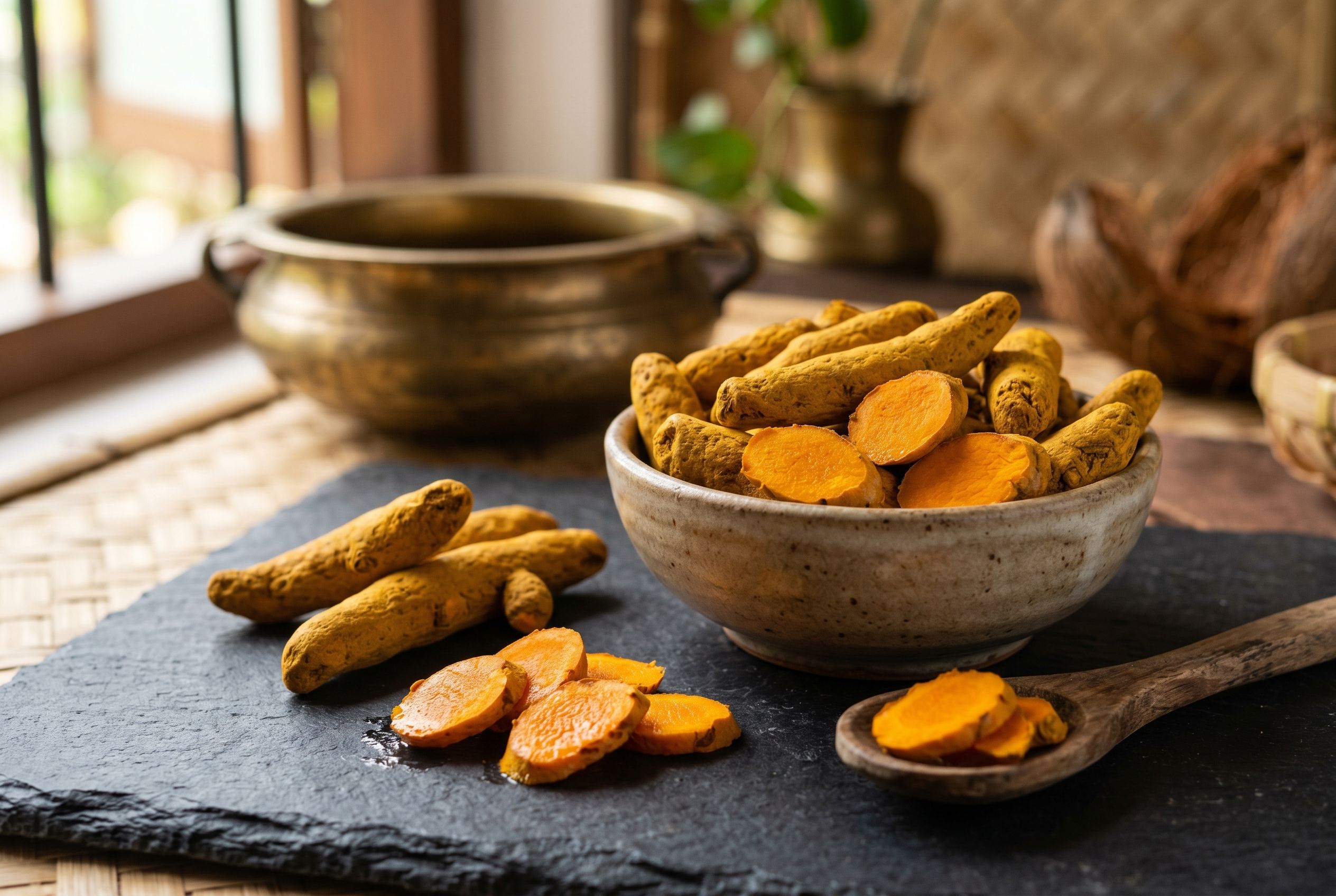
Alleppey turmeric carries weight in export trade because it gives buyers more than a generic turmeric label. It offers a recognised origin story, a long-standing quality reputation, and a commercial identity that can matter in colour-sensitive and premium-positioned food applications.
That does not mean buyers should treat it as a magic word. A premium turmeric must still justify itself through application fit, product character, and supplier discipline. But Alleppey remains one of the origin names buyers ask for when they want turmeric with stronger market recognition.
Alleppey turmeric’s value is practical, not just heritage: it’s a premium-origin story manufacturers can use, grounded in colour performance and recognised provenance — not an unsupported GI claim.
Why the Alleppey name matters in turmeric trade
Alleppey, linked historically to Kerala’s spice-export routes, has become one of the most recognisable names in premium turmeric trade. Even where cultivation and shipment realities may span a wider regional footprint, the Alleppey name still carries commercial meaning.
That meaning is simple. Buyers hear Alleppey and expect a more premium turmeric conversation, especially around colour richness and origin identity. For some categories, that expectation alone can shape shortlisting behaviour.
This is valuable in food-industry procurement because raw-material decisions are not based on lab values alone. Market reputation influences which origins get considered first.
Climate and regional conditions shape the premium story
Kerala’s warm, humid climate and strong rainfall pattern help define the Alleppey turmeric story. Buyers often associate these conditions with a richer colour profile and a more distinctive turmeric identity.
For commercial audiences, the point is not to overstate agronomy. The point is to show that origin influences ingredient character. Climate, soil, and regional farming tradition all contribute to why one turmeric origin may be positioned differently from another.
That matters when manufacturers are sourcing for product lines where colour, consistency, and ingredient story all play commercial roles.
Why buyers see Alleppey turmeric as premium
The premium reputation of Alleppey turmeric is closely tied to its colour strength and its market perception as a more distinctive turmeric origin. Buyers often look to it when they want a turmeric with stronger visual impact and a better-known provenance story.
That can matter in spice blends, curry systems, seasoning bases, and other food applications where the turmeric is expected to contribute both colour and identity. In those settings, an origin with stronger recognition can support premium product positioning.
There is also a procurement psychology element here. Buyers who are building a higher-value finished product often prefer origin names that make specification conversations easier with internal teams and external customers.
Where Alleppey turmeric fits best in the food industry
Not every application needs a premium-origin turmeric. But where colour contribution and product story matter, Alleppey can justify closer review.
It can be relevant for:
- seasoning and spice blends where turmeric supports visual warmth
- curry bases and prepared savoury systems
- colour-conscious ingredient sourcing for premium retail lines
- food products where a stronger origin story helps market positioning
The point is not that Alleppey fits everything. The point is that it can be the better choice when the buyer needs turmeric to do more than serve as a low-cost background spice.
What buyers should still verify
Premium-origin language should never replace technical discipline. Buyers still need to review specification fit, intended application, colour expectation, processing form, and documentation support.
A supplier who only repeats that the product is Alleppey turmeric is not doing enough. A stronger supplier can explain where the origin positioning matters, where it does not, and what kind of commercial use case best justifies the premium.
The commercial takeaway
Alleppey turmeric remains valuable because it combines a known Kerala-linked origin identity with the kind of colour-led premium positioning many food manufacturers and ingredient buyers still value.
Its advantage is not merely reputation. Its advantage is that the reputation can support more deliberate product positioning when the buyer needs turmeric with stronger market recognition and visual presence.
If your team is sourcing turmeric for seasoning systems, curry applications, colour-led blends, or premium ingredient programs, Four Squares can help frame the discussion around origin relevance, specification fit, and current commercial options.